

Local action, global connection
Networking meetup, panel discussion and practical workshop for fairer and more effective development cooperation
Funding partner: Deutsche Stiftung für Engagement und Ehrenamt (DSEE)
Timeline: 11/2025 - 12/2025
Location: Berlin, Germany
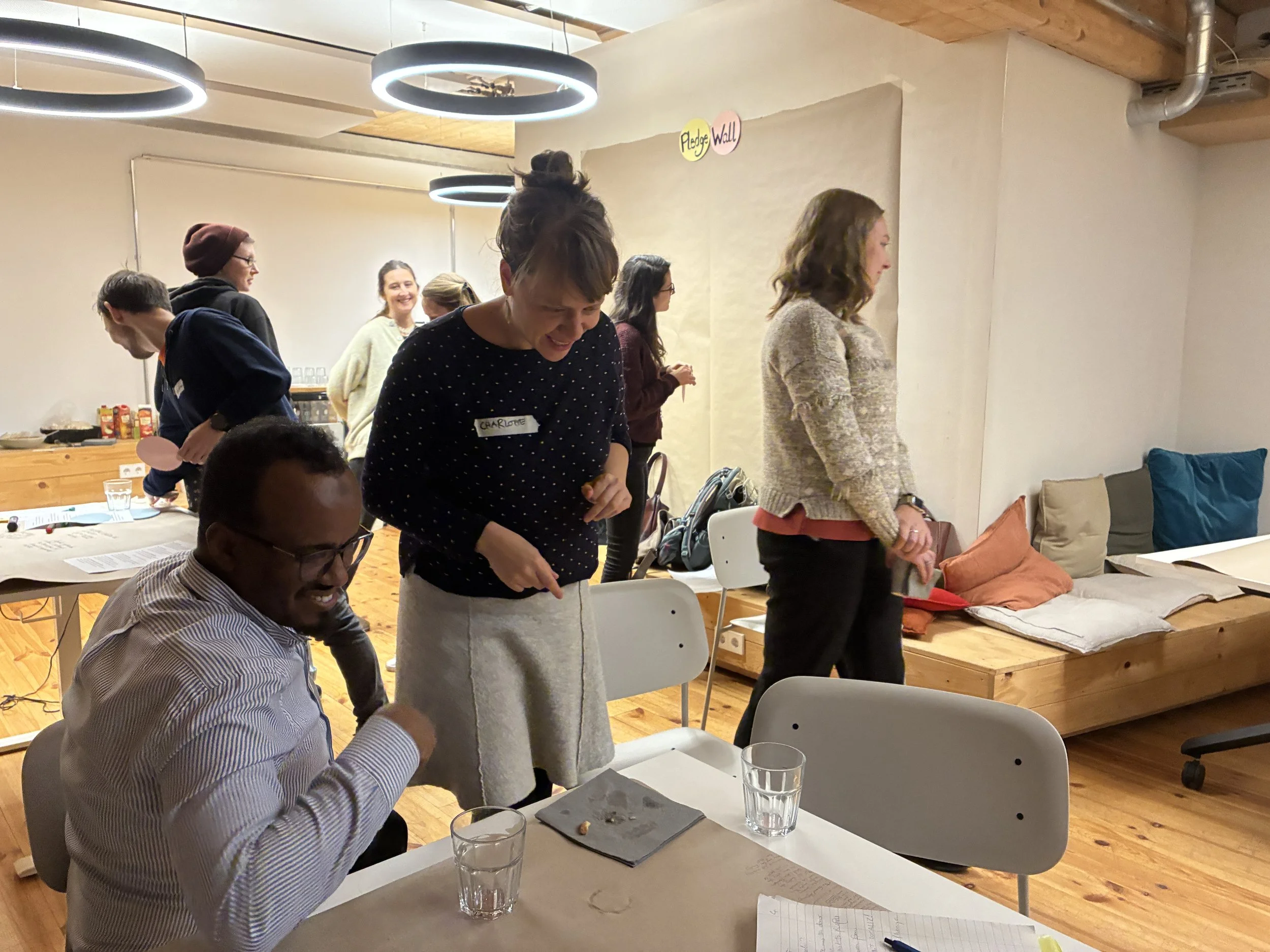
On 9 December 2025, MatchLocal hosted Local Action, Global Connection, a networking event, panel discussion and hands-on workshop at Impact Hub Neukölln in Berlin, dedicated to strengthening more just, effective and locally-led international partnerships.
The workshop brought together staff of associations, civil society actors and interested individuals from Berlin and Brandenburg who work with local partner organisations around the world or who wished to deepen their engagement with localised approaches. At its core was the question of how international cooperation can become fairer, more impactful and more connected to everyday realities on the ground.
The panel discussion
We opened with a panel featuring experts from Afghanistan, Kenya/Somalia and Cameroon, all of whom work daily in crisis and conflict contexts. They spoke candidly about structural barriers and power dynamics, the challenges of humanitarian funding, the visibility of local actors within the international system, and what genuinely strengthens local organisations. Their insights set the tone for the World Café sessions that followed.
The World Café
In rotating small groups, participants explored five key themes:
Table 1: Power and partnership models
We explored where power emerges within international collaborations, how it is distributed and why certain decisions tend to remain with international actors. At the centre of the discussion was the question of which structural conditions are needed to shift responsibility more consistently to the local level.
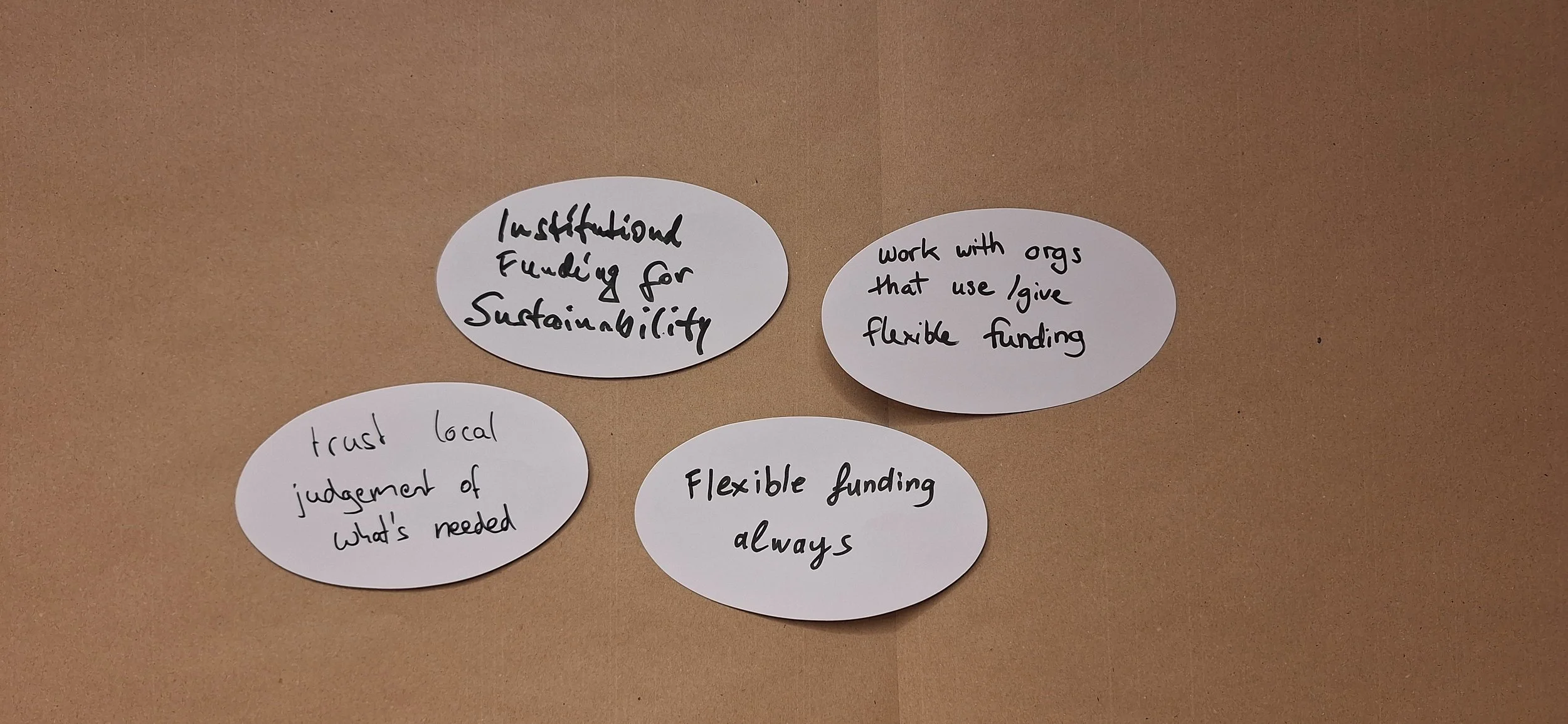
Table 2: Financing and access to resources
The table examined how funding structures work, which cost types are typically covered and which ones are overlooked, and how budgets need to be designed to strengthen local organisations institutionally. A particular focus was on which expenses are traditionally funded, which are structurally neglected and how these gaps affect the ability of local organisations to operate effectively.
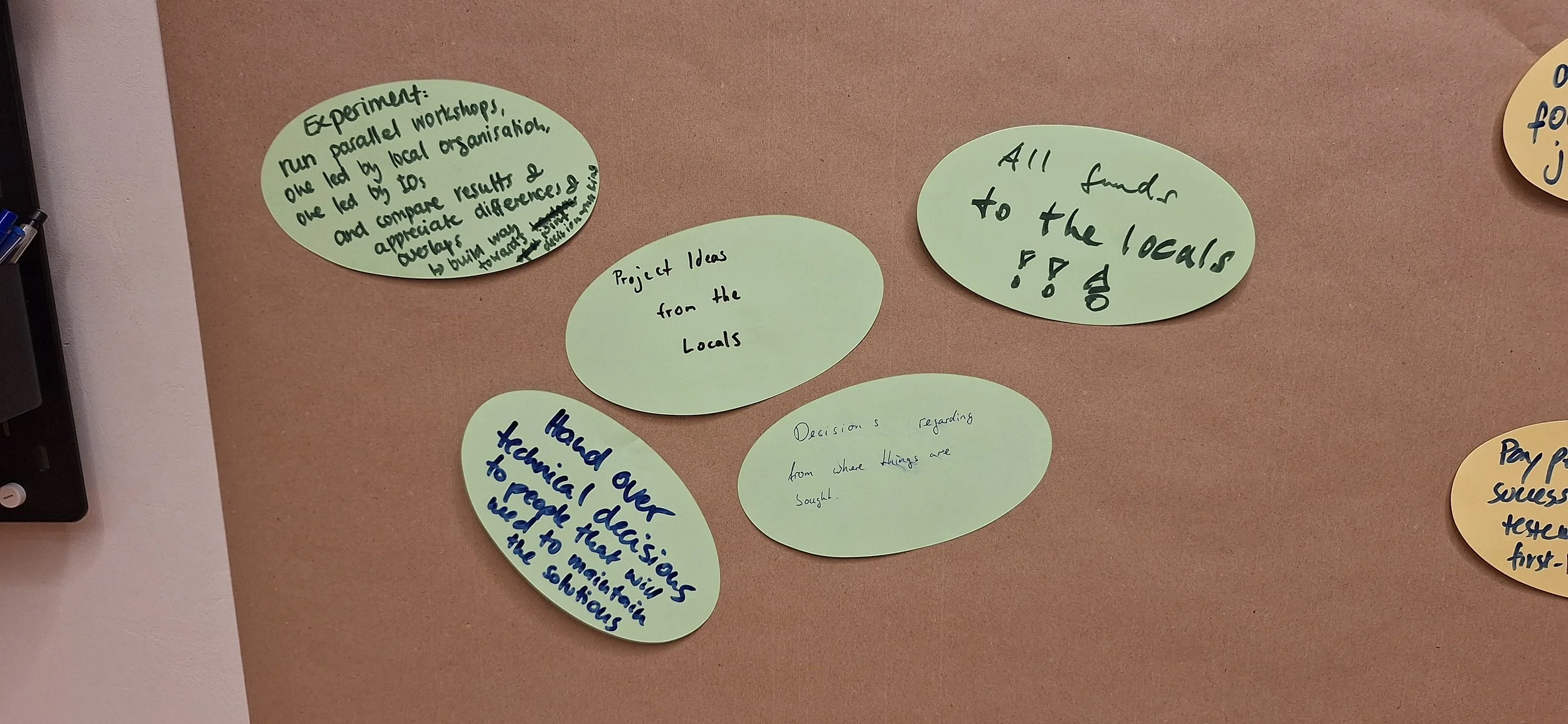
Table 3: Trust and everyday collaboration
We explored the conditions that shape trust in day-to-day work and how communication, language and operational routines can either support or complicate collaboration. A particular focus was on how differing expectations, habits and communication channels create misunderstandings and what more aligned ways of working could look like.
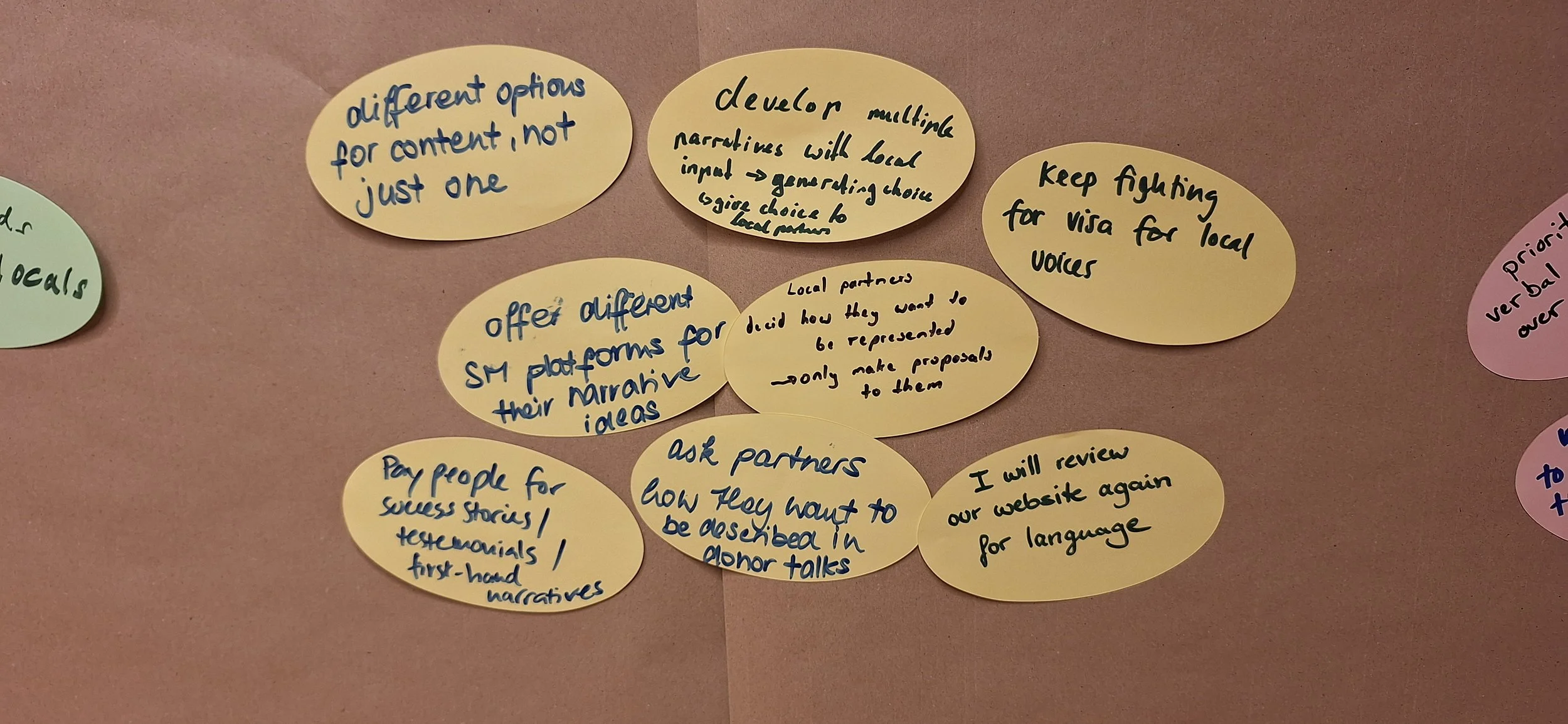
Table 4: Visibility and public narratives
This table examined common representation patterns in reports and communication formats and analysed how local partners are currently portrayed. We reflected on which types of narratives shift power, the role of imagery and how local perspectives can become a stronger starting point for communication.
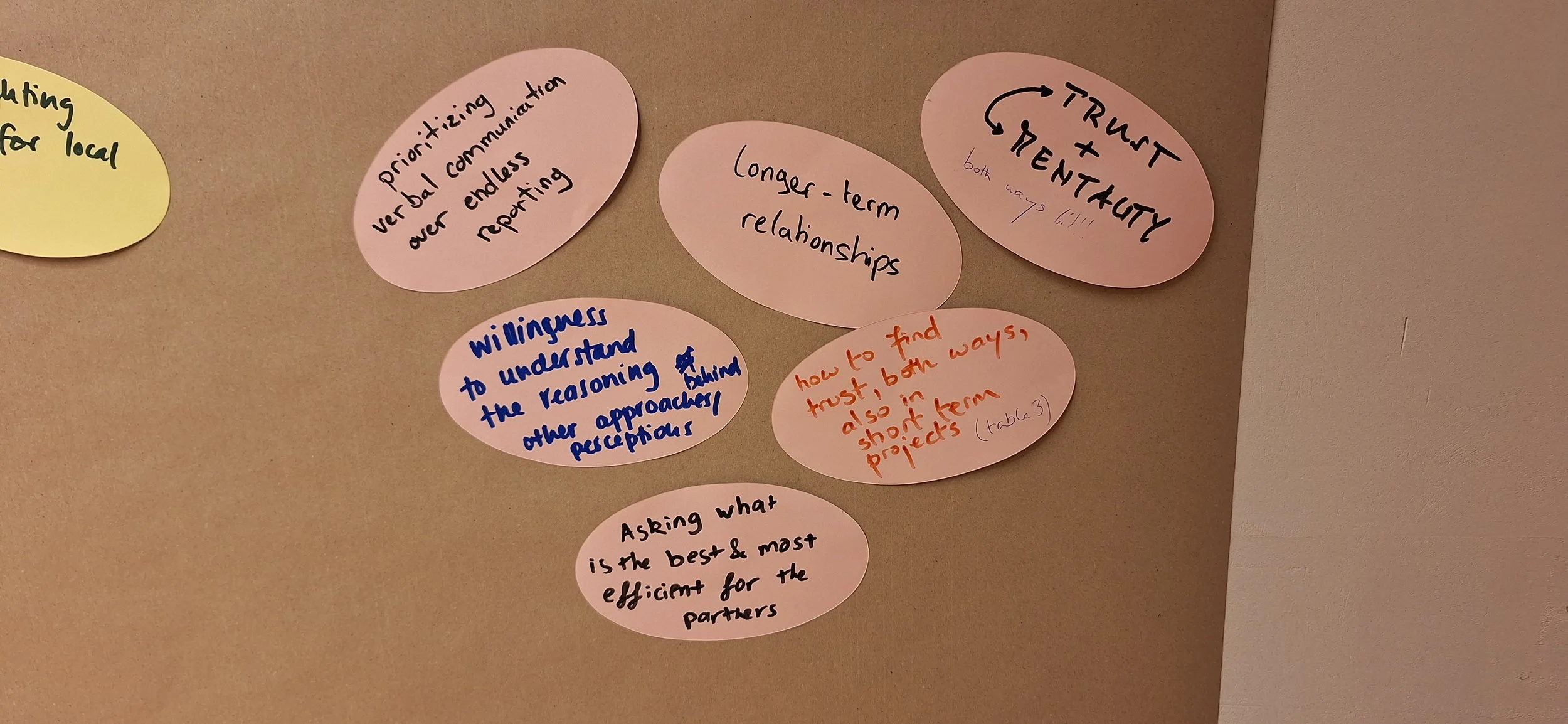
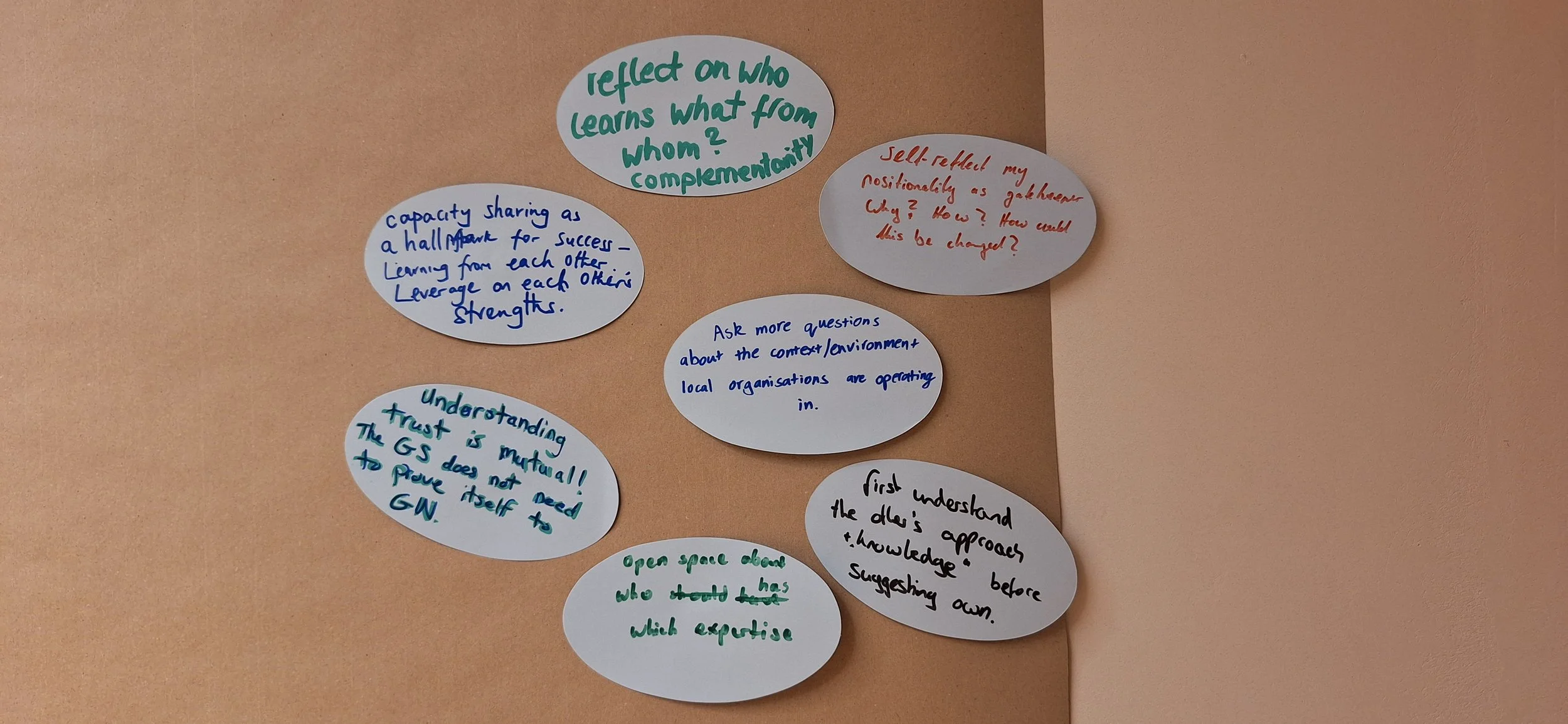
Table 5: Future perspectives and collective learning
This table focused on the learning and development processes that both sides need in order to shape more equitable partnerships in the long term. We explored knowledge flows, blind spots and the requirements for shared learning spaces that can have an impact beyond individual projects.
Objective of the evening
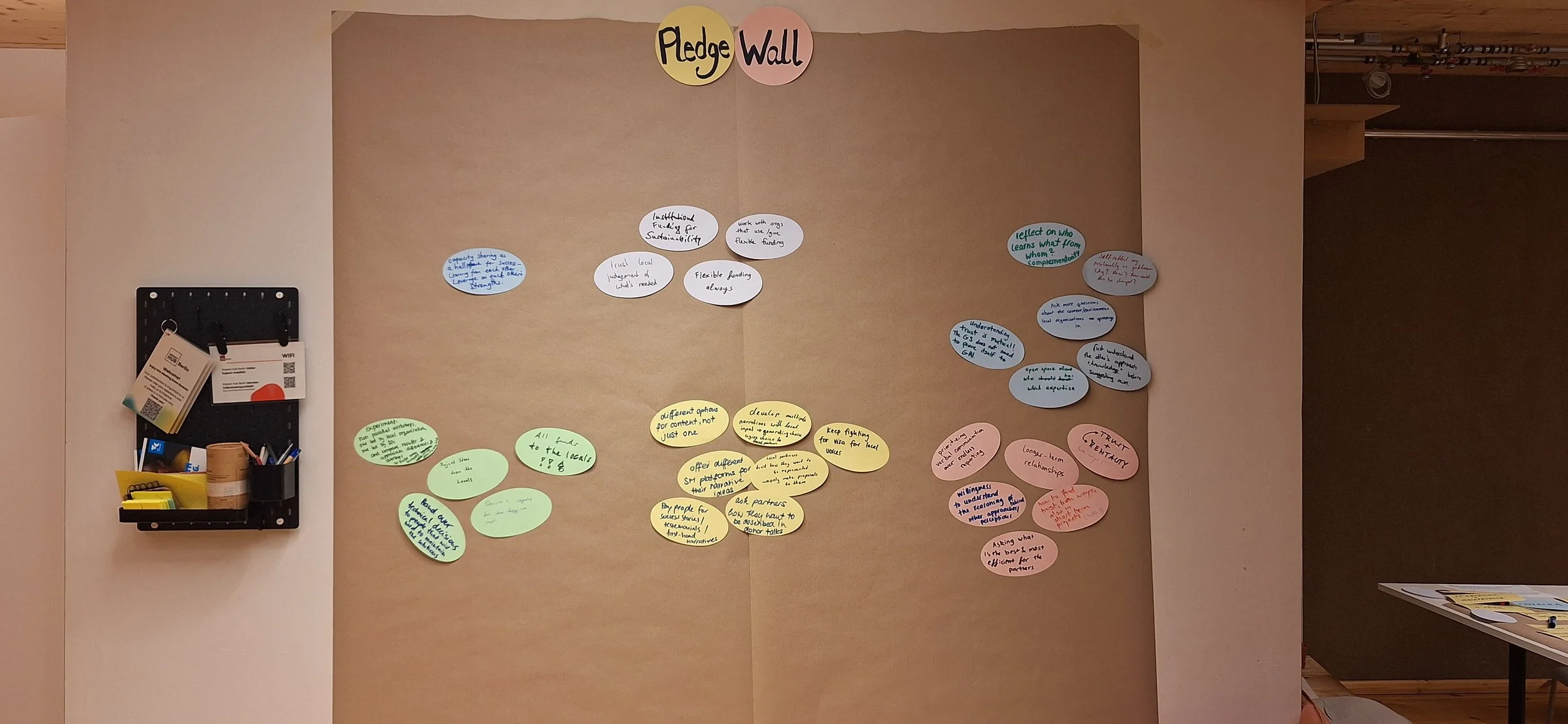
The evening aimed to provide direct access to local perspectives that could guide the development of stronger and more equitable partnerships, while generating practical ideas that participants could immediately integrate into ongoing projects, funding applications or collaborations. It created space for an open and honest exchange about everyday challenges and structural barriers within international partnerships, and fostered new networks, synergies and potential collaborations across Berlin and Brandenburg. Through a solution-oriented format, the workshop enabled participants to prioritise concrete outcomes and translate them into clear pledges for themselves and their organisations, moving beyond discussion towards the co-creation of actionable approaches.
Supported by: